Avoid Cling Wrap for Covering Your Tattoo Bed: Minimize the Risk of Micro Droplets
Introduction:
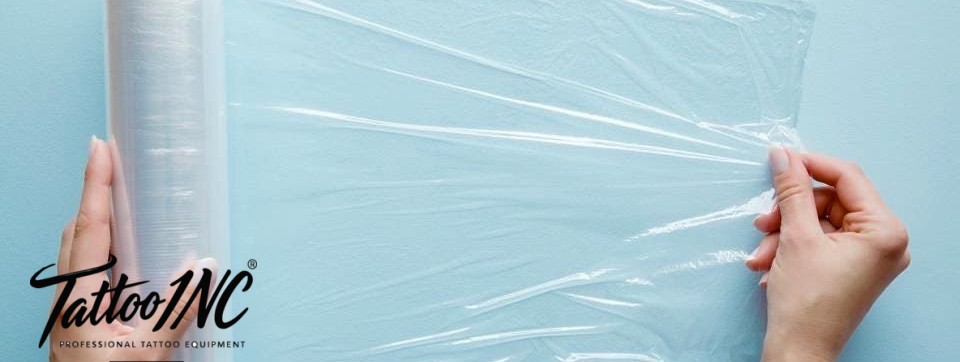
Ensuring a safe and sanitary environment is crucial in the tattooing process, and covering the tattoo bed with an appropriate material plays a significant role. While cling wrap might appear convenient, it poses several drawbacks that compromise cleanliness and hygiene. In this revised article, we will delve into the reasons why cling wrap should be avoided when covering your tattoo bed, with a particular focus on minimizing the risk of introducing micro droplets into the atmosphere, and suggest alternative solutions for a more professional and hygienic approach.
- Potential for Micro Droplets:
When removing cling wrap from the tattoo bed, the process can generate micro droplets that may contain bacteria, bodily fluids, or other contaminants. These micro droplets can be dispersed into the surrounding atmosphere, increasing the risk of cross-contamination and potentially compromising the health and safety of both the artist and the client. Minimizing the generation of micro droplets is vital to maintain a hygienic workspace.
- Airborne Particle Transmission:
Cling wrap, due to its plastic nature, has a tendency to create static electricity. This static charge can attract airborne particles such as dust, lint, or hair, which can settle on the tattoo bed. When the cling wrap is removed, these particles can become dislodged and disperse into the air, posing a risk of contamination. Minimizing the use of cling wrap can help mitigate the introduction of airborne particles and maintain a clean tattooing environment.
- Professionalism and Client Perception:
Using cling wrap to cover the tattoo bed can give an unprofessional impression to clients, as it may be associated with makeshift or non-standard practices. Demonstrating professionalism and prioritizing hygiene is essential in the tattoo industry to instill confidence in your clients and foster a positive reputation. Employing appropriate materials for the tattoo bed covering enhances the overall client experience and reinforces the commitment to maintaining a professional workspace.
Alternatives for Covering Your Tattoo Bed:
-
Disposable Bed Covers: Opt for disposable bed covers specifically designed for tattooing. These covers provide a clean and stable surface, minimizing the risk of slippage during the tattooing process. Disposable bed covers are hygienic, easy to use, and eliminate the need for cling wrap altogether.
-
Sterile Sheets: Use sterile sheets or medical-grade paper rolls to cover the tattoo bed. These materials are designed to maintain cleanliness and provide a barrier between the client and the bed. Ensure that the sheets are changed between each client to prevent cross-contamination effectively.
-
Hygienic Barrier Films: Explore the use of hygienic barrier films specifically created for tattoo beds. These films offer a sterile and breathable surface, promoting airflow while maintaining a clean and safe environment. They minimize the risk of micro droplets and help prevent airborne particle transmission.
-
Regular Cleaning and Disinfection: Regardless of the covering material you choose, prioritize regular cleaning and disinfection of the tattoo bed. Thoroughly clean and sanitize the bed between clients to ensure optimal hygiene standards are maintained.